
In today’s digital world, cyber threats are becoming more sophisticated and dangerous. Organizations handling sensitive information such as government agencies, military networks, power plants, financial institutions, and healthcare systems need stronger protection than traditional firewalls alone can provide. This is where a Data Diode becomes an essential cybersecurity solution.
A Data Diode is a specialized hardware device designed to allow data to travel in only one direction. Unlike standard network security systems, which still permit two-way communication, a Data Diode physically prevents data from flowing back in the opposite direction. This one-way communication creates an extremely secure barrier against cyberattacks, malware, and unauthorized access.
Understanding a Data Diode
A Data Diode is often compared to a one-way street. Information can move from one network to another, but nothing can return through the same path.
For example, imagine a highly secure internal network connected to an external monitoring system. The organization may want to send operational data outward for analysis while ensuring external threats can never enter the secure environment. A Data Diode makes this possible by enforcing unidirectional data flow at the hardware level.
Unlike software-based security tools, a Data Diode cannot simply be bypassed by hacking techniques because the restriction is physically built into the device.
How Does a Data Diode Work?
A Data Diode uses hardware components that physically separate the sending side from the receiving side. Typically, it includes:
A transmitter that sends data
A receiver that accepts data
No physical capability for reverse communication
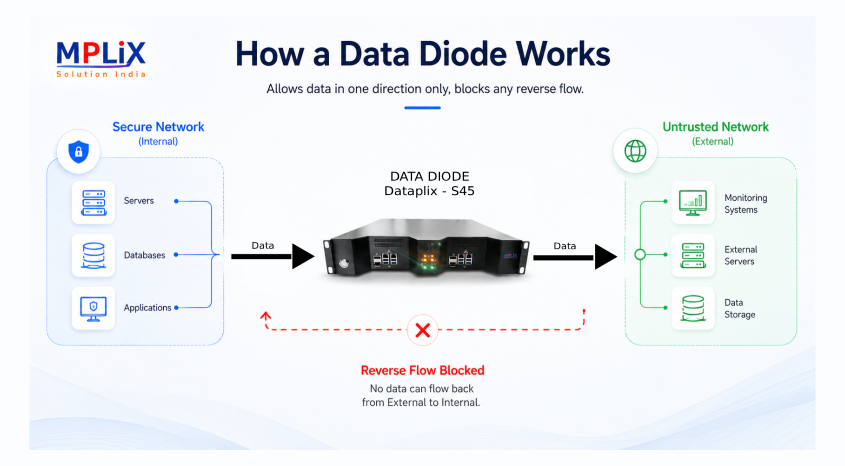
Some advanced systems also use optical technology, where light signals travel in only one direction. Since there is no return channel, attackers cannot send malicious commands, steal data, or establish remote control access.
This makes Data Diodes one of the most secure methods for protecting critical infrastructure and classified information.
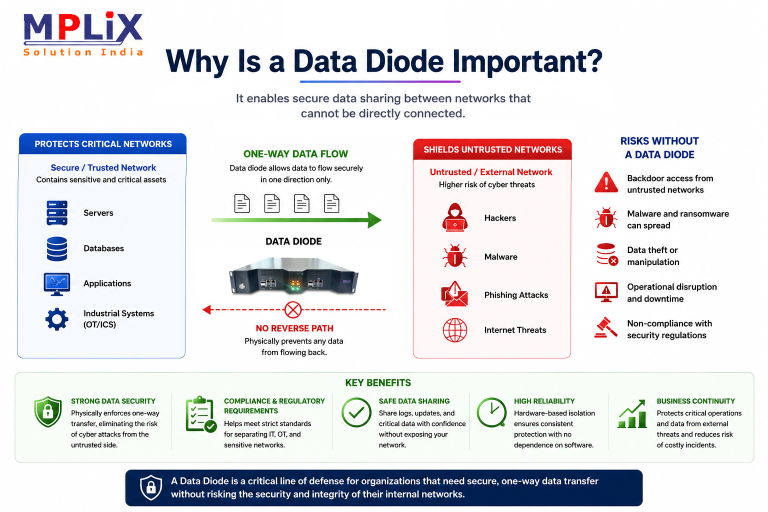
Why Are Data Diodes Important?
1. Protection Against Cyberattacks
Traditional firewalls and intrusion detection systems rely heavily on software configurations. While effective, they can still be vulnerable to zero-day attacks, misconfigurations, or insider threats.
A Data Diode eliminates many of these risks by physically blocking incoming traffic. Even if attackers compromise an external network, they cannot penetrate the protected environment through the diode.
2. Securing Critical Infrastructure
Industries such as energy, transportation, manufacturing, and defense rely on operational technology (OT) systems that must remain secure and uninterrupted.
A successful cyberattack on these systems could lead to:
Power outages
Industrial shutdowns
Transportation disruptions
National security risks
Data Diodes help isolate critical systems while still allowing essential monitoring and reporting data to leave the network safely.
3. Preventing Data Leaks
Organizations handling confidential information need to ensure sensitive data does not fall into the wrong hands.
Data Diodes help prevent:
Unauthorized data extraction
Malware communication with external servers
Remote spying attempts
Insider-driven data theft
Because reverse communication is impossible, attackers cannot retrieve information from protected systems.
4. Compliance With Security Standards
Many industries are required to follow strict cybersecurity and data protection regulations. Data Diodes support compliance with standards related to:
National security
Industrial cybersecurity
Financial data protection
Healthcare privacy
Using hardware-enforced one-way communication demonstrates a high level of security assurance.
Common Use Cases of Data Diodes
Data Diodes are widely used in environments where security is a top priority, including:
Government and Military
Protecting classified networks from external threats while sharing approved information outward.
Industrial Control Systems
Securing SCADA and ICS environments in power plants, oil refineries, and manufacturing facilities.
Healthcare
Safeguarding patient data and medical systems from ransomware and cyber intrusions.
Financial Institutions
Protecting banking systems and transaction data from cybercriminals.
Data Centers
Ensuring sensitive internal systems remain isolated from public-facing networks.
Data Diode vs Firewall
Although both technologies improve network security, they work differently.
Feature
Data Diode
Firewall
Communication
One-way only
Tow - way allowed
Security Type
Hardware enforced
Software based
Reverse Access
Impossible
Possible if compromised
Protection Level
Extremely High
High but configurable
Common usage
Critical systems
General networks
Firewalls remain important for everyday cybersecurity, but Data Diodes are preferred when absolute isolation is required.
The Future of Data Diodes
As cyber threats continue to evolve, more organizations are adopting zero-trust security strategies and stronger network isolation methods. Data Diodes are expected to play a growing role in:
Industrial cybersecurity
National defense systems
Cloud security architectures
Critical infrastructure protection
Secure IoT deployments
With increasing concerns about ransomware, state-sponsored attacks, and data breaches, hardware-based security solutions are becoming more valuable than ever.
Conclusion
For industries where security failures are simply not an option, Data Diodes are not just useful they are essential.
|
Author |
: Mplix Solution India |
|
Date |
: 01-06-2026 |
MPLIX offers hardware-based Data Diode solutions designed to provide secure one-way data transfer for critical infrastructure, industrial networks, OT environments, and air-gapped systems.
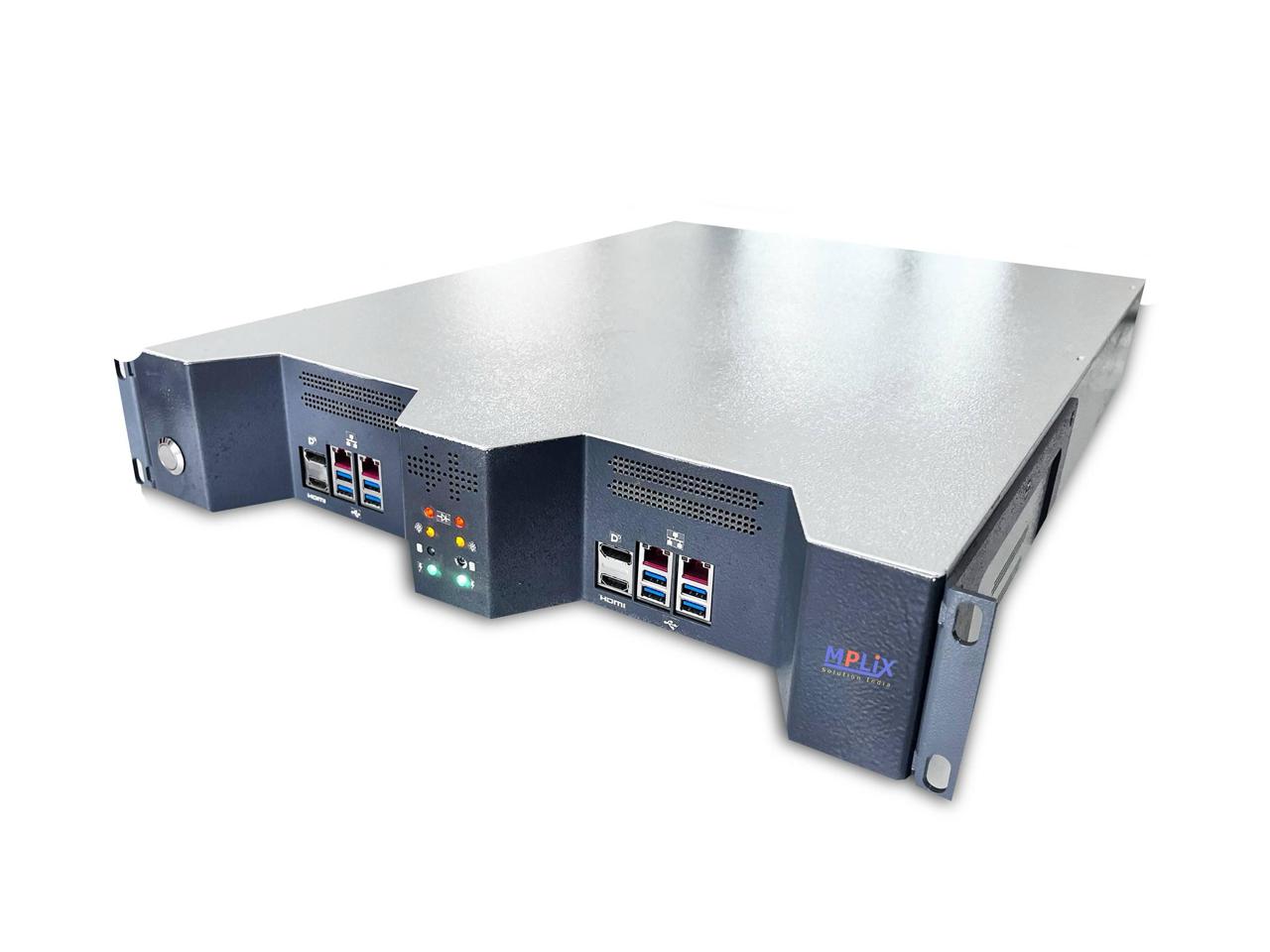
DataPlix-S45 is a high-assurance hardware Data Diode engineered for secure unidirectional data flow. It helps organizations protect critical assets, OT networks, SCADA systems, and sensitive infrastructure from cyber threats while maintaining operational visibility.
Everything you need to know about DataPlix-S45 Data Diode
- OR -